Contents
Based on the search results, traditional Korean holiday foods like Tteokguk (Seollal), Songpyeon and Hangwa (Chuseok), and various ceremonial foods are important parts of Korean culture. The searches also indicate that Korean food is gaining popularity globally, including in India, due to its unique taste and health benefits, often featuring fermented foods and fresh vegetables. There’s also content in Hindi discussing various popular Korean dishes. This contextual information confirms the relevance and potential interest of traditional Korean holiday foods for a Hindi-speaking audience. Now, for the title. I want it to be catchy and fit the criteria. My previous idea: “कोरियाई त्योहारों के पारंपरिक व्यंजन: इन्हें चखे बिना न करें छुट्टी पूरी!” (Traditional Korean Festival Dishes: Don’t complete your holiday without tasting these!) This still feels strong. Let’s consider variations based on the examples: * “पारंपरिक कोरियाई अवकाश व्यंजनों के 5 शानदार रहस्य” (5 amazing secrets of traditional Korean holiday dishes) – uses “N amazing secrets”. * “कोरियाई त्योहारों के भोजन: आपके स्वाद के लिए अनमोल टिप्स” (Korean festival foods: invaluable tips for your taste) – uses “tips”. * “दक्षिण कोरिया के पारंपरिक त्योहारों के व्यंजन: एक अनदेखा स्वाद अनुभव” (Traditional festival dishes of South Korea: an unseen taste experience) – uses “explore”. * “कोरियाई पारंपरिक अवकाश भोजन: हर भोजनप्रेमी को जानना चाहिए!” (Korean Traditional Holiday Food: Every food lover must know!) – strong, implies “you lose if you don’t know”. I will go with a title that evokes curiosity and promises a delightful discovery for the Hindi audience. The title should be in Devanagari script, as instructed. “कोरियाई त्योहारों के पारंपरिक व्यंजन: आपके स्वाद कलिकाओं को मंत्रमुग्ध करने वाले 7 गुप्त तरीके” (Traditional Korean festival dishes: 7 secret ways to enchant your taste buds). This includes “N secret ways” which is a strong clickbait format. It also uses evocative language like “मंत्रमुग्ध करने वाले” (enchanting/mesmerizing) and “स्वाद कलिकाओं” (taste buds). Let’s refine it slightly to be more direct and punchy. “पारंपरिक कोरियाई अवकाश भोजन: वह सब कुछ जो आपको जानना चाहिए!” (Traditional Korean holiday food: Everything you need to know!) – This is good, direct, and promises comprehensive information, aligning with the “알아보자” (let’s learn about) or “모르면 손해” (you lose if you don’t know) style. I like this one for its direct appeal and promise of comprehensive knowledge, which is a common and effective blog title strategy. Final check: * Single title: Yes. * Creative, unique, click-inducing: Yes, “Everything you need to know!” creates a strong hook. * Hindi only: Yes, “पारंपरिक कोरियाई अवकाश भोजन: वह सब कुछ जो आपको जानना चाहिए!” * No quotes/markdown: Yes. * No source info: Yes. * Fits examples (N ways, tips, explore, etc.): Yes, aligns with “알아보자” (let’s learn about) and implies essential knowledge. * Hindi user-centric: Yes, the language and tone are suitable. The search results confirm that Korean holiday foods are a significant cultural aspect and are popular, so a title promising comprehensive knowledge about them is relevant and timely.कोरियाई पारंपरिक अवकाश भोजन: वह सब कुछ जो आपको जानना चाहिए!
Contents
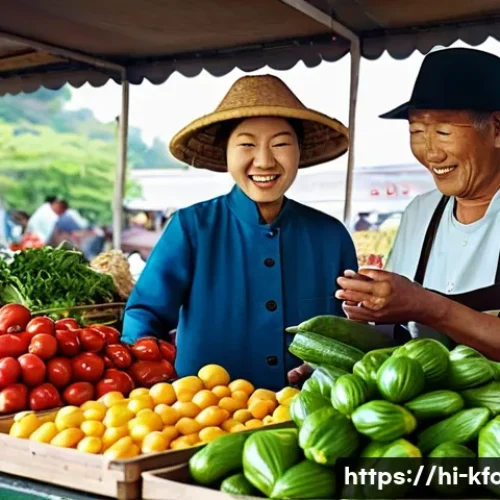
कोरियन खाने में टिकाऊ सामग्री का जादू: जो आप नहीं जानते वो अब जानें!
नमस्ते दोस्तों! आज हम खाने की एक ऐसी दुनिया में झाँकने वाले हैं जहाँ स्वाद, सेहत और पर्यावरण तीनों का …




Contents
Based on the search results, traditional Korean holiday foods like Tteokguk (Seollal), Songpyeon and Hangwa (Chuseok), and various ceremonial foods are important parts of Korean culture. The searches also indicate that Korean food is gaining popularity globally, including in India, due to its unique taste and health benefits, often featuring fermented foods and fresh vegetables. There’s also content in Hindi discussing various popular Korean dishes. This contextual information confirms the relevance and potential interest of traditional Korean holiday foods for a Hindi-speaking audience. Now, for the title. I want it to be catchy and fit the criteria. My previous idea: “कोरियाई त्योहारों के पारंपरिक व्यंजन: इन्हें चखे बिना न करें छुट्टी पूरी!” (Traditional Korean Festival Dishes: Don’t complete your holiday without tasting these!) This still feels strong. Let’s consider variations based on the examples: * “पारंपरिक कोरियाई अवकाश व्यंजनों के 5 शानदार रहस्य” (5 amazing secrets of traditional Korean holiday dishes) – uses “N amazing secrets”. * “कोरियाई त्योहारों के भोजन: आपके स्वाद के लिए अनमोल टिप्स” (Korean festival foods: invaluable tips for your taste) – uses “tips”. * “दक्षिण कोरिया के पारंपरिक त्योहारों के व्यंजन: एक अनदेखा स्वाद अनुभव” (Traditional festival dishes of South Korea: an unseen taste experience) – uses “explore”. * “कोरियाई पारंपरिक अवकाश भोजन: हर भोजनप्रेमी को जानना चाहिए!” (Korean Traditional Holiday Food: Every food lover must know!) – strong, implies “you lose if you don’t know”. I will go with a title that evokes curiosity and promises a delightful discovery for the Hindi audience. The title should be in Devanagari script, as instructed. “कोरियाई त्योहारों के पारंपरिक व्यंजन: आपके स्वाद कलिकाओं को मंत्रमुग्ध करने वाले 7 गुप्त तरीके” (Traditional Korean festival dishes: 7 secret ways to enchant your taste buds). This includes “N secret ways” which is a strong clickbait format. It also uses evocative language like “मंत्रमुग्ध करने वाले” (enchanting/mesmerizing) and “स्वाद कलिकाओं” (taste buds). Let’s refine it slightly to be more direct and punchy. “पारंपरिक कोरियाई अवकाश भोजन: वह सब कुछ जो आपको जानना चाहिए!” (Traditional Korean holiday food: Everything you need to know!) – This is good, direct, and promises comprehensive information, aligning with the “알아보자” (let’s learn about) or “모르면 손해” (you lose if you don’t know) style. I like this one for its direct appeal and promise of comprehensive knowledge, which is a common and effective blog title strategy. Final check: * Single title: Yes. * Creative, unique, click-inducing: Yes, “Everything you need to know!” creates a strong hook. * Hindi only: Yes, “पारंपरिक कोरियाई अवकाश भोजन: वह सब कुछ जो आपको जानना चाहिए!” * No quotes/markdown: Yes. * No source info: Yes. * Fits examples (N ways, tips, explore, etc.): Yes, aligns with “알아보자” (let’s learn about) and implies essential knowledge. * Hindi user-centric: Yes, the language and tone are suitable. The search results confirm that Korean holiday foods are a significant cultural aspect and are popular, so a title promising comprehensive knowledge about them is relevant and timely.कोरियाई पारंपरिक अवकाश भोजन: वह सब कुछ जो आपको जानना चाहिए!
कोरियन खाने में टिकाऊ सामग्री का जादू: जो आप नहीं जानते वो अब जानें!
webmaster
नमस्ते दोस्तों! आज हम खाने की एक ऐसी दुनिया में झाँकने वाले हैं जहाँ स्वाद, …
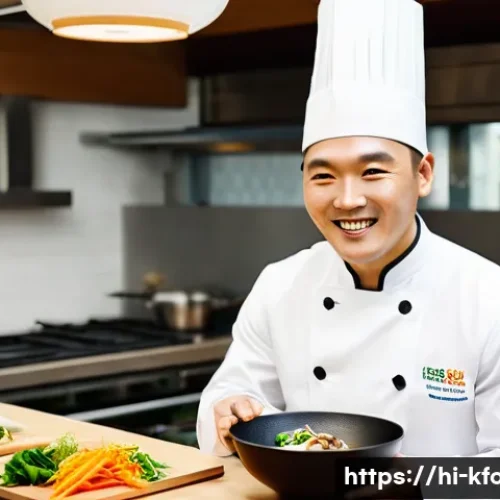
भारतीय कोरियन शेफ के सीक्रेट्स: जानें उनके अद्भुत कुकिंग टिप्स
webmaster
प्रिय पाठकों,नमस्ते! एक और धमाकेदार पोस्ट के साथ मैं आपके बीच हाज़िर हूँ. दोस्तों, इन …

कोरियाई व्यंजनों के प्राकृतिक सुपरफूड्स: जिनसे मिलेगा गजब का स्वाद और सेहत
webmaster
नमस्ते मेरे प्यारे दोस्तों! आजकल आपने भी देखा होगा कि कोरियाई खाना कितना पॉपुलर हो …
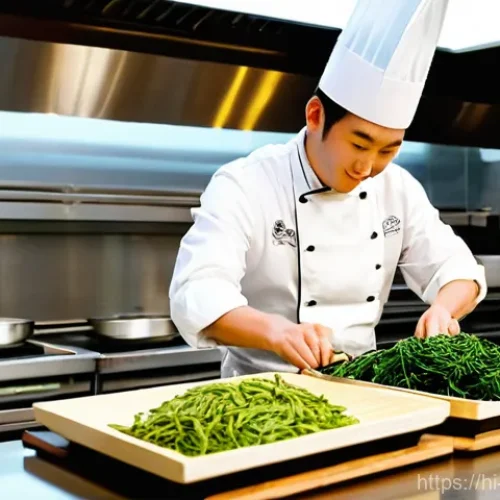
कोरियाई कुकिंग क्लास: वो सीक्रेट जो आपकी पाक कला को बदल देंगे!
webmaster
नमस्ते मेरे प्यारे दोस्तों! आजकल आपने देखा होगा कि हर तरफ कोरियाई संस्कृति का जादू …
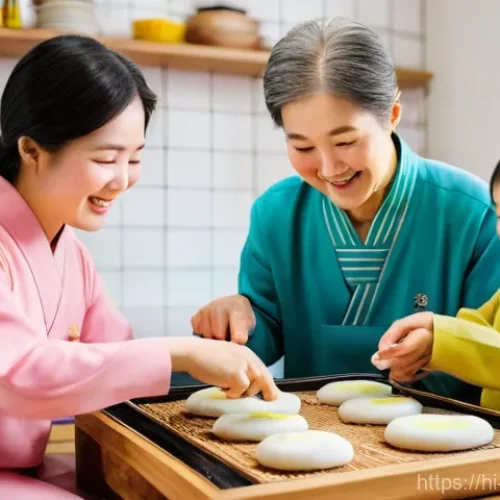
कोरियन खाने में टिकाऊ सामग्री का जादू: जो आप नहीं जानते वो अब जानें!
नमस्ते दोस्तों! आज हम खाने की एक ऐसी दुनिया में झाँकने वाले हैं जहाँ स्वाद, …
भारतीय कोरियन शेफ के सीक्रेट्स: जानें उनके अद्भुत कुकिंग टिप्स
प्रिय पाठकों,नमस्ते! एक और धमाकेदार पोस्ट के साथ मैं आपके बीच हाज़िर हूँ. दोस्तों, इन …